“We Bring the Court to You — Anywhere. Anytime. Let’s Pop!”
The Sport That Brings Every Generation Together
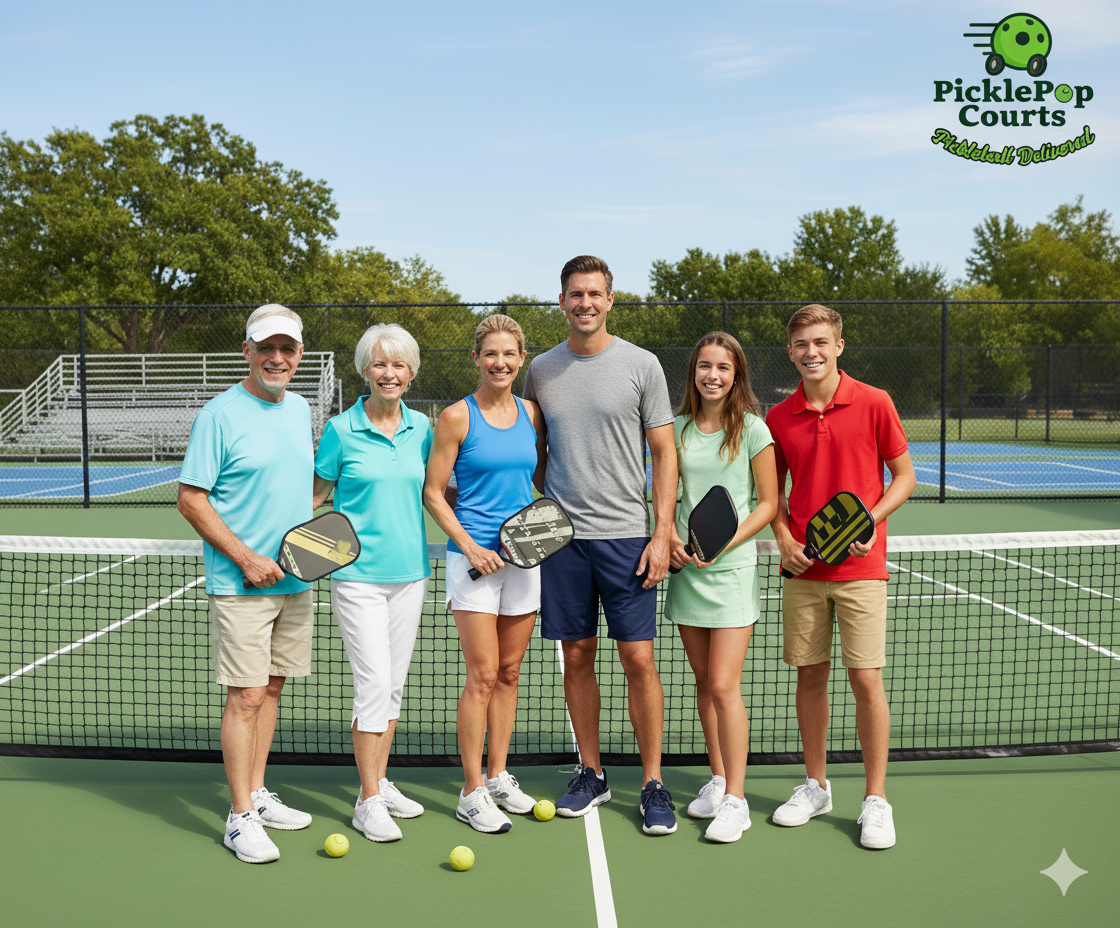
Pickleball isn’t just a sport—it’s a movement that bridges generations. From energetic kids to active seniors, beginners to seasoned athletes, everyone can find their groove on the pickleball court. Its magic lies in accessibility. The court is smaller than tennis, the paddle is lighter, and the ball moves slower, allowing players of all skill levels to rally, laugh, and compete without intimidation or exhaustion.
For younger players, pickleball builds hand-eye coordination, agility, and teamwork. For adults, it’s a fun and social way to stay active without the wear and tear of high-impact sports. And for older adults, it offers a low-stress, high-enjoyment workout that improves balance, flexibility, and mental sharpness. The easy-to-learn rules mean new players can join in minutes, not months.
Beyond fitness, pickleball is about connection. Families can play together, retirees can meet new friends, and communities can bond across generations. It’s one of the few sports where an 11-year-old can partner with a 71-year-old—and both can walk away smiling.
In an age where screens divide us, pickleball unites us—one dink, volley, and high-five at a time. It’s not just for athletes; it’s for everyone who loves fun, friendship, and staying in the game.
The Rules of the Game
The Fitness Sweet Spot — Why Pickleball Hits the “Just Right” Card
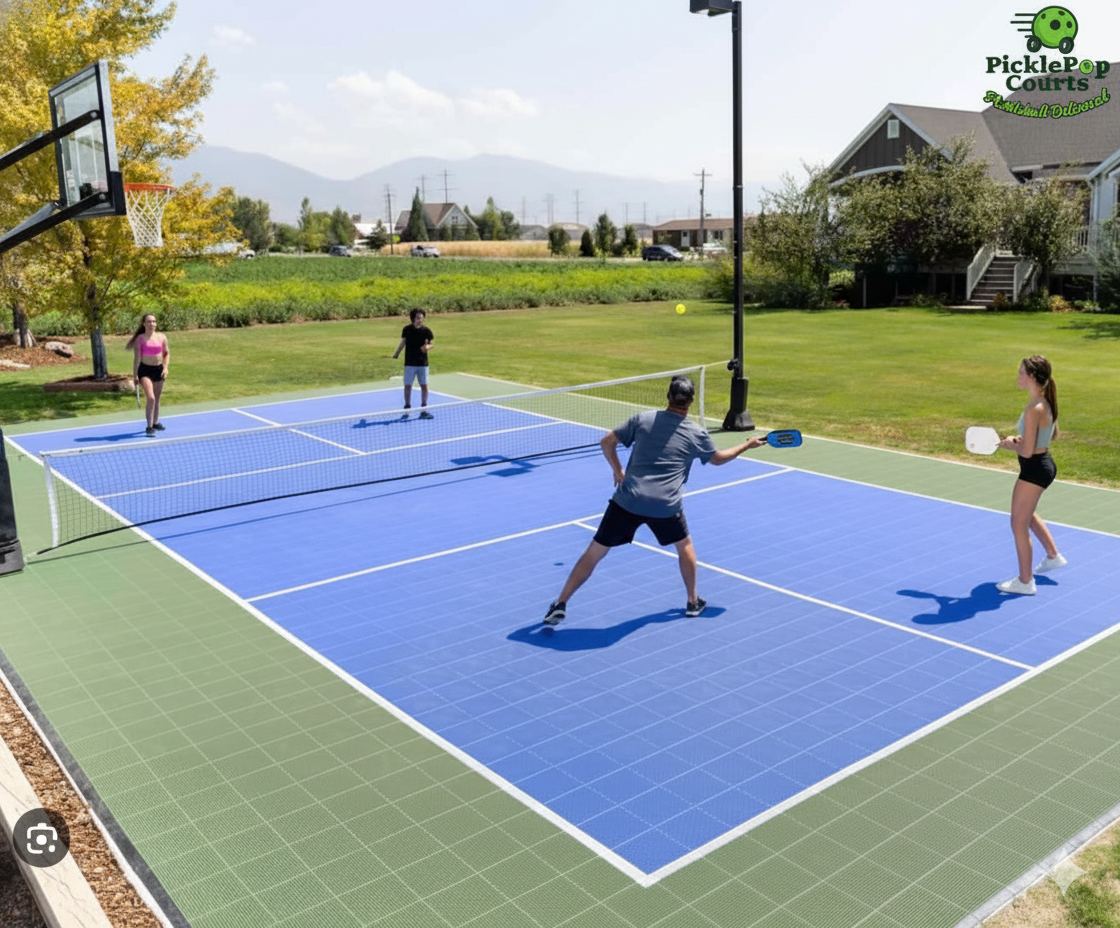
If you’ve spent a lifetime chasing the balance between “too easy” and “too hard,” pickleball finds that sweet spot. It offers enough cardio, agility, and reflex challenge without the punishing demands of tennis or the brutal impact of running. The smaller court means you don’t have to sprint endlessly. The lighter paddle, slower ball, and shorter distances help reduce joint stress.
Because of this, pickleball is especially attractive for people in midlife and beyond—or anyone recovering from injuries—who want to stay active without risking overuse damage. The game is vigorous but forgiving. Also, the learning curve is gentle: a beginner can pick up the basics in a session, which lowers the intimidation barrier. That said, there are injury risks if players skip warmups or overplay. Shoulder, elbow, wrist, and ankle injuries have been documented—especially as more older players push harder. But with smart play, stretching, and gradual progression, the upside far outweighs the downside.
In short: pickleball is “just right”—it gives you meaningful exercise without overwhelming your body, which is a potent recipe for sustained growth in any fitness-minded community.
How To Play Doubles
Community, Camaraderie, and Competition
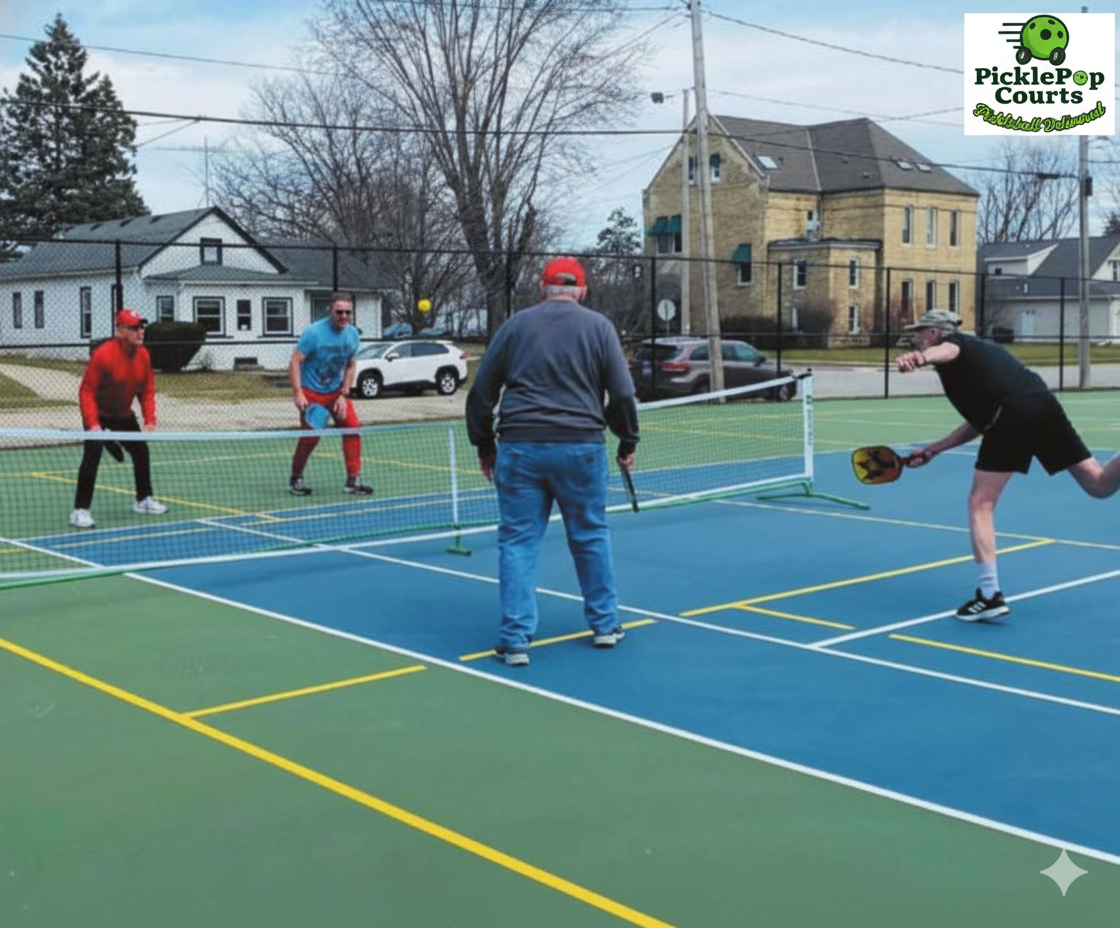
Ask any addict and they’ll tell you: pickleball is as much about people as it is about paddle skills. One of the strongest engines behind its explosive rise is the social chemistry on and off court. You’ll rarely see solitary matches—most play is doubles, which naturally fosters conversation, switching partners, and mingling.
Players of widely varying ages and skill levels mingle—grandparents, working professionals, college students—all can jump in. That cross-generational mixing is rare in many sports, and it strongly appeals to communities, clubs, retirement centers, and schools. Play Pickleball+2dinkusa.com+2
At the same time, the competitive pull is real. Once the basics are mastered, players begin chasing better volleys, dinks, spins, strategy—and tournaments emerge. The balance between “fun pick-up game” and “playful rivalry” is elegant, and it keeps people coming back.
In sum: pickleball gives you something to chase—fitness and skill—while strengthening friendships, community ties, and social fabric. That’s a powerful growth driver in any era.
Copyright © 2025 Pickle Pop. All rights reserved.